Polycystic Ovarian Disease (PCOD), also known as Polycystic Ovary Syndrome (PCOS) is a very commo…
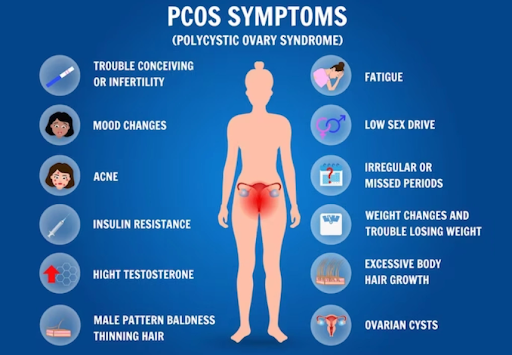
Polycystic Ovarian Disease (PCOD), also known as Polycystic Ovary Syndrome (PCOS) is a very common condition affecting 5% to 10% of women in the age group 12–45 years. It is a problem in which a woman's hormones are out of balance. It can cause problems with menstrual periods and make it difficult for her to conceive. A hormonal disorder causing enlarged ovaries with small cysts on the outer edges. The cause of polycystic ovary syndrome isn't well understood but may involve a combination of genetic and environmental factors. Symptoms include menstrual irregularity, excess hair growth, acne, and obesity. Women with PCOS produce higher-than-normal amounts of male hormones. This hormone imbalance causes them to skip menstrual periods and makes it harder for them to get pregnant. PCOS also causes hair growth on the face and body and baldness. And it can contribute to long-term health problems like diabetes and heart disease. PCOS affects a woman’s ovaries, the reproductive organs that produce estrogen and progesterone — hormones that regulate the menstrual cycle. The ovaries also produce a small number of male hormones called androgens. The ovaries release eggs to be fertilized by a man’s sperm. The release of an egg each month is called ovulation. Follicle-stimulating hormone (FSH) and luteinizing hormone (LH) control ovulation. FSH stimulates the ovary to produce a follicle — a sac that contains an egg — and then LH triggers the ovary to release a mature egg. PCOS is a “syndrom