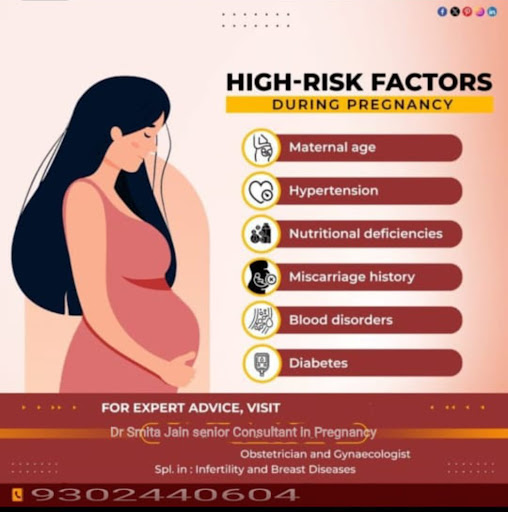
factor to know about high risk pregnancy
Fresh stories, announcements and offers about Hospital, Obstetrician-gynecologist, Fertility clinic, straight from our business.
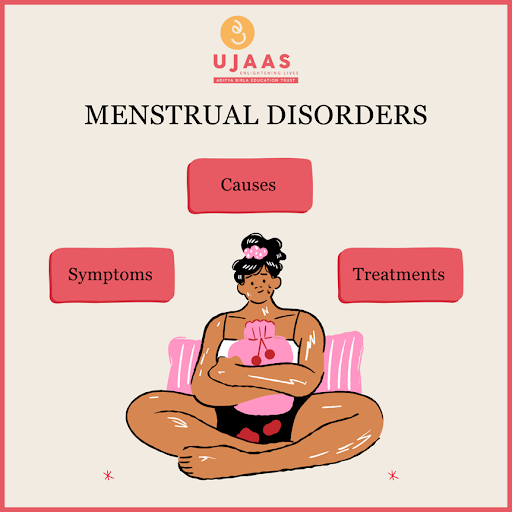
1. Irregular Periods: Irregular periods refer to variations in the menstrual cycle length, frequency, or flow. This can manifest as periods that are shorter than 21 days apart, longer than 3 months apart, or last more than 10 days. Common causes include hormonal fluctuations, stress, weight changes, and certain medications. 2. Heavy or Prolonged Bleeding: Heavy or prolonged bleeding, also known as menorrhagia, is characterized by excessive menstrual bleeding or bleeding that lasts longer than the typical 7 days. This can lead to fatigue and require frequent pad or tampon changes. Causes can range from hormonal imbalances to structural issues like fibroids. 3. Painful Periods (Dysmenorrhea): Dysmenorrhea is the medical term for painful periods or menstrual cramps. While some pain is normal, severe dysmenorrhea can significantly impact a woman's daily life. Common symptoms include cramping, nausea, fatigue, and diarrhea. 4. Premenstrual Syndrome (PMS): PMS refers to a range of physical and psychological symptoms that occur before menstruation. Symptoms can include mood swings, irritability, anxiety, bloating, breast tenderness, headaches, and skin problems. These symptoms typically subside a few days after the start of menstruation.
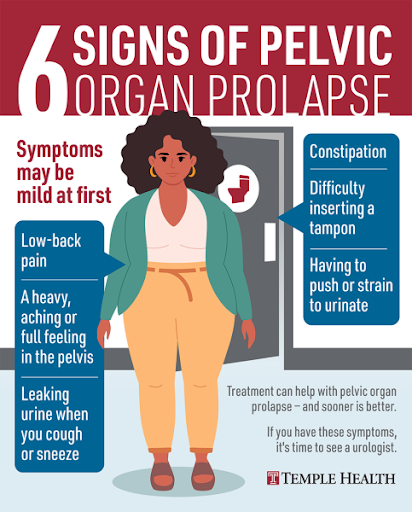
Pelvic organ prolapse is when one or more pelvic organs drop from their position. This makes a bulge in the vagina, called a prolapse. The muscles and connective tissues of the pelvic floor typically hold the pelvic organs in place.
Endometriosis PCOS Cause Endometrial tissue growth outside the uterus Hormonal imbalance, including high androgen levels Location Pelvic organs, ovaries, etc. Ovaries, hormone-producing glands, brain Primary Issue Misplaced tissue and inflammation Hormone imbalance and insulin resistance Pain Pelvic pain, heavy periods, pain during bowel or urinary functions Pelvic pain can occur, but more prominent is irregular cycles, acne, and excess hair Fertility Can cause infertility due to pelvic adhesions and tissue growth Can cause infertility due to irregular ovulation Diagnosis Laparoscopy (often required) Blood tests and physical exam
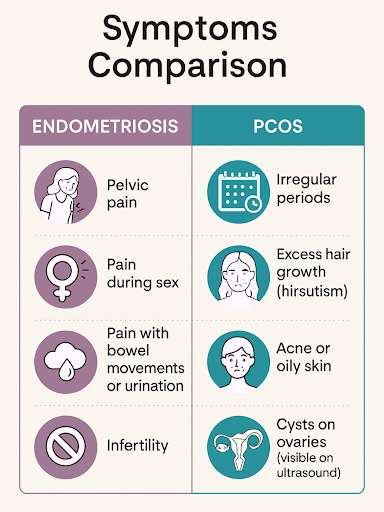
Polycystic ovary syndrome (PCOS) is a common hormonal disorder in women of reproductive age, causing irregular periods, excess androgen levels, and ovarian cysts. It's a chronic condition that can't be cured but can be managed through lifestyle changes and treatments.
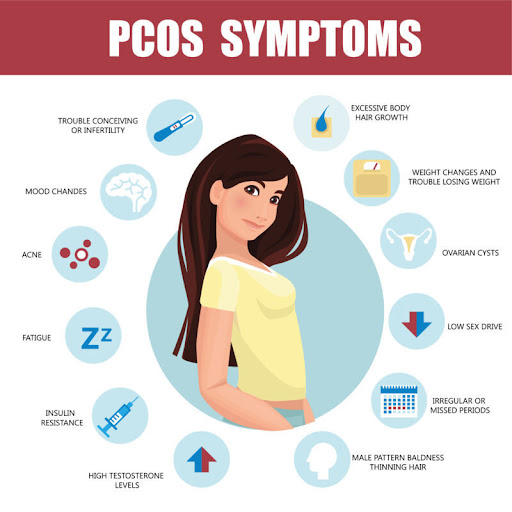
Prepare mentally: Cultivate a positive mindset and visualize a successful delivery. Perineal massage: This can help dilate the cervix faster and relax the muscles and body. Relaxation techniques: Try deep breathing, visualization, and massage to manage labor pain. Alternative therapies: Consider acupuncture, acupressure, and hypnotherapy. Be open with medical staff: Feel free to express yourself to the medical staff, who are trained to handle pregnancy-related issues. Avoid ultrasound during the last month: This can make doctors unnecessarily fearful, as the baby is generally heavier.
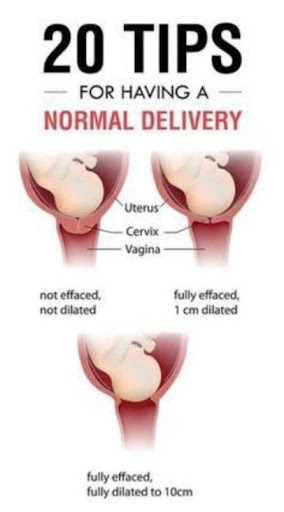
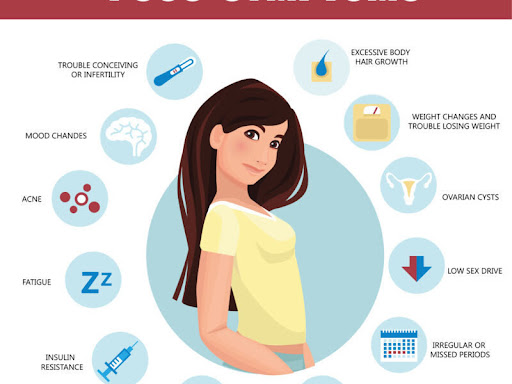
Polycystic Ovarian Disease (PCOD), also known as Polycystic Ovary Syndrome (PCOS) is a very common condition affecting 5% to 10% of women in the age group 12–45 years. It is a problem in which a woman's hormones are out of balance. It can cause problems with menstrual periods and make it difficult for her to conceive. A hormonal disorder causing enlarged ovaries with small cysts on the outer edges. The cause of polycystic ovary syndrome isn't well understood but may involve a combination of genetic and environmental factors. Symptoms include menstrual irregularity, excess hair growth, acne, and obesity. Women with PCOS produce higher-than-normal amounts of male hormones. This hormone imbalance causes them to skip menstrual periods and makes it harder for them to get pregnant. PCOS also causes hair growth on the face and body and baldness. And it can contribute to long-term health problems like diabetes and heart disease. PCOS affects a woman’s ovaries, the reproductive organs that produce estrogen and progesterone — hormones that regulate the menstrual cycle. The ovaries also produce a small number of male hormones called androgens. The ovaries release eggs to be fertilized by a man’s sperm. The release of an egg each month is called ovulation. Follicle-stimulating hormone (FSH) and luteinizing hormone (LH) control ovulation. FSH stimulates the ovary to produce a follicle — a sac that contains an egg — and then LH triggers the ovary to release a mature egg. PCOS is a “syndrom
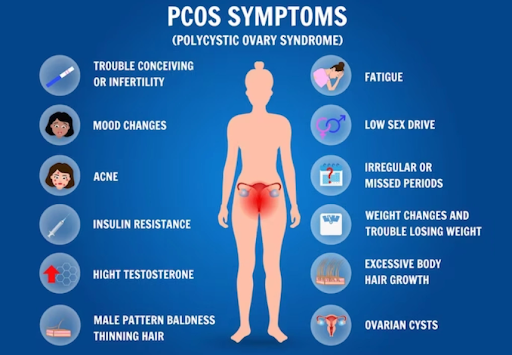
Polycystic ovary syndrome (PCOS) is a condition in which the ovaries produce an abnormal amount of androgens, male sex hormones that are usually present in women in small amounts. The name polycystic ovary syndrome describes the numerous small cysts (fluid-filled sacs) that form in the ovaries.The cause of polycystic ovary syndrome isn't well understood, but may involve a combination of genetic and environmental factors.
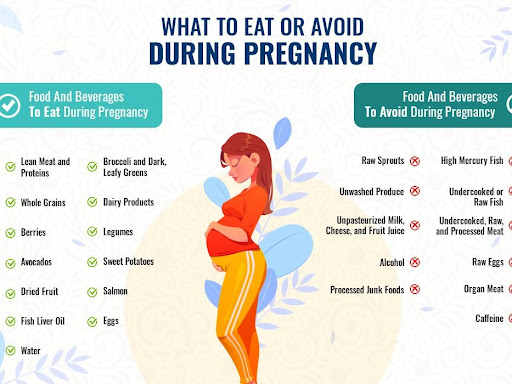
1. Eat plenty of fruits and vegetables 2. Limit sugar, starch and dairy fat 3. Avoid fried foods 4. Eat more foods containing fiber 5. Eat small, frequent meals throughout the day 6. Drink plenty of water Plan a balanced meal 1/2 plate of vegetable and fruits 1/4 plate of starch 1/4 plate of protein
Though relaxing, the high-heat environment of hot tubs, Jacuzzis, and saunas may be too dangerous for expecting mothers. In fact, research suggests that using one of these during your first trimester may double your risk of miscarriage. Soaking in hot water can raise body temperature and this causes problems with the baby including increasing the risk of birth defects. 7. Don’t drink a lot of caffeine Caffeine can travel through the placenta and increase your baby’s heart rate. Current research suggests that women can safely consume a cup or two of coffee each day, but forego downing a triple-shot latte while you’re carrying. 8. Don’t clean the cat’s litter box Pet your furry friend all you like and wash your hands afterward — but don’t clean a cat’s litter box. Feline waste is filled with millions of bacteria and parasites. One in particular,Toxoplasma gondiiTrusted Source, is particularly dangerous to expecting mothers.
Babies born to women who smoke during pregnancy are more likelyTrusted Source to have a lower birth weight and are at a greater risk for learning disabilities than children born to nonsmoking mothers. 2. Don’t drink alcohol Alcohol may greatly impact your baby’s development. People who drink alcohol while pregnant couldTrusted Source deliver a baby with fetal alcohol syndrome (FAS). Symptoms of FAS include: • low birth weight • learning disabilities • behavior problems • lagging patterns in terms of growth and development milestones 3. Don’t eat raw meat Raw and undercooked meat and eggs carry the risk of foodborne illness, such as listeriosis and toxoplasmosis. Food poisoning is also a possibility. 4. Don’t eat deli meat Deli meats — including hot dogs, sausages, smoked salmon, and other cured meats — can cause foodborne illness, such as listeriosis and toxoplasmosis. Meats that are sliced have far more surface area for bacterial growth. Thoroughly cooking these processed proteins well reduces your risk. 5. Don’t eat unpasteurized milk products Calcium is very important for growing babies, but moms have to be careful how they get their calcium from dairy. Raw milk isn’t recommendedTrusted Source for expecting mothers since it’s unpasteurized. This means it hasn’t been heated to kill bacteria that could make you ill. Specifically, raw milk may contain the bacteria Listeria. It can lead to illness, miscarriage, or even life-threatening consequences.